Why Freestanding Outdoor Seating Is Ideal for Flexible Spaces
Key Takeaways
- Freestanding outdoor seating allows councils and schools to change layouts easily as space needs evolve.
- Unlike fixed seating, freestanding options support events learning and seasonal use without permanent installation.
- Aluminium is ideal for freestanding seating because it is lightweight durable and low maintenance in Australian conditions.
- Flexible seating improves safety accessibility and long term value while keeping outdoor spaces adaptable and functional.
Outdoor spaces are being used in more ways than ever before. Parks host community events, schools use outdoor areas for learning and lunch breaks, and sporting facilities need seating that can adapt to changing crowds. In these environments, flexibility matters. That is why freestanding outdoor seating has become a popular choice for councils, schools, and community spaces across Australia.
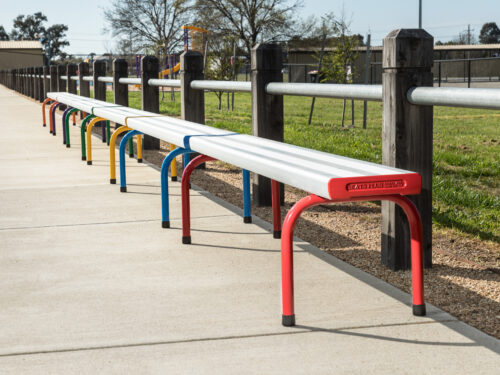
Unlike fixed seating, freestanding options allow you to adjust layouts as needs change. Whether it is moving benches for an event, creating new seating zones, or adapting to seasonal use, flexibility helps outdoor spaces work harder. Many organisations start their planning by exploring durable bench seating that offers both strength and mobility without permanent installation.
This article explores why freestanding outdoor seating is ideal for flexible spaces and how it supports long-term functionality, safety, and value.
What Does Freestanding Outdoor Seating Really Mean?
Freestanding outdoor seating refers to furniture that is not permanently fixed to the ground. These benches, tables, and seating units are designed to sit securely on surfaces while still being easy to reposition when required.
Unlike bolt-down or inground seating, freestanding options do not require concrete footings or permanent fixings. This makes them ideal for spaces that need to change layouts regularly or where permanent installation is not practical.
Freestanding seating provides freedom. It allows facility managers to adapt quickly, reduce installation complexity, and maintain control over how outdoor areas are used.
The Growing Demand for Flexible Outdoor Spaces
Modern outdoor spaces are rarely static. A school oval may host sports in the morning, assemblies at midday, and community events after hours. A park may need open areas for markets one weekend and quiet seating zones the next.
Fixed seating can limit how these spaces evolve. Once installed, it is difficult and costly to relocate. Freestanding seating, on the other hand, supports multi-purpose use without structural changes.
As councils and schools look for cost-effective ways to maximise space, flexible seating solutions are becoming essential rather than optional.
Where Freestanding Outdoor Seating Works Best
Freestanding outdoor seating performs exceptionally well in a wide range of environments.
In parks and recreation reserves, it allows councils to adjust seating layouts depending on crowd size, events, or maintenance needs.
In schools, freestanding seating supports dynamic learning environments. Benches can be moved for outdoor lessons, group activities, or cleared away when more open space is required.
At sporting facilities, seating can be repositioned based on seasonal sports or expected spectator numbers.
In community spaces, flexible seating supports markets, festivals, pop-up events, and casual gatherings without permanent changes to infrastructure.
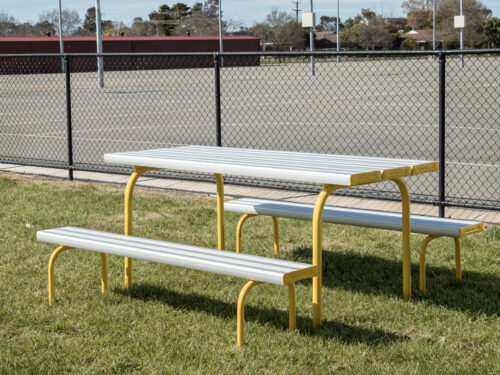
For larger outdoor zones that combine seating and tables, park settings are often paired with freestanding benches to create adaptable layouts that still feel structured.
Why Aluminium Is the Ideal Material for Freestanding Seating
Material choice plays a major role in how effective freestanding seating is. Aluminium stands out as the preferred option for public and community environments.
Aluminium is lightweight yet strong, making it easy to move while remaining stable during use. It does not rust, warp, or rot, which is essential for outdoor spaces exposed to sun, rain, and coastal air.
Powder-coated aluminium also offers colour flexibility, allowing seating to blend seamlessly with surrounding infrastructure or branding. From a maintenance perspective, aluminium requires minimal upkeep, making it ideal for councils and schools with limited resources.
These qualities make aluminium particularly well suited to freestanding designs that need to be repositioned regularly without compromising durability.
Key Features to Look for in Freestanding Outdoor Seating
Not all freestanding seating is created equal. When selecting seating for flexible spaces, several key features should be considered.
Stability is critical. Even though seating is movable, it should feel solid and secure during use. Designs should sit evenly on the ground and resist tipping.
Comfort also matters. Backrests, smooth finishes, and ergonomic dimensions help ensure people of all ages can sit comfortably, even for longer periods.
Durability is essential in public spaces. Seating should withstand frequent use, exposure to weather, and occasional rough handling.
Ease of movement is another important factor. Seating should be light enough to reposition without specialised equipment, yet heavy enough to stay in place once positioned.
Choosing seating that balances all of these features ensures flexibility does not come at the expense of performance.
How Freestanding Seating Supports Safety and Accessibility
Safety and accessibility are major considerations in public outdoor spaces. Freestanding seating supports both when designed correctly.
Because seating can be repositioned, it is easier to maintain clear pathways and accessible routes. This helps accommodate wheelchairs, prams, and high foot traffic areas without permanent obstructions.
Freestanding seating also reduces trip hazards associated with exposed fixings or uneven ground mounts. Rounded edges, smooth finishes, and thoughtful spacing further enhance safety for users of all ages.
In schools and community spaces, the ability to adjust layouts helps ensure seating arrangements remain inclusive and adaptable to changing needs.
Practical Ways to Use Freestanding Seating in Changing Layouts
One of the biggest advantages of freestanding outdoor seating is how easily it adapts to different scenarios.
For events, seating can be grouped together to create viewing areas or social zones. After the event, it can be redistributed to quieter areas.
In schools, benches can be moved closer to shade structures during warmer months or relocated for outdoor learning activities.
Sporting venues can reposition seating based on where spectators naturally gather, improving sightlines and comfort without permanent alterations.
Seasonal changes, maintenance work, or evolving community needs no longer require new installations. Freestanding seating allows spaces to evolve naturally over time.
Long-Term Value and Low Maintenance Benefits
Freestanding outdoor seating offers excellent long-term value. Without the need for permanent installation, upfront costs are often lower, and future adjustments are easier.
Aluminium seating requires minimal maintenance, reducing long-term costs for cleaning, repairs, and replacements. This makes it especially attractive for councils and schools managing multiple sites.
Because freestanding seating can be reused and relocated, it also reduces waste. As spaces change, the same seating can continue to serve new purposes rather than being removed or replaced.
These practical benefits contribute to a strong return on investment over the lifespan of the furniture.
Flexible Seating Solutions Designed for Real-World Use
Freestanding outdoor seating plays a key role in creating spaces that are practical, welcoming, and adaptable. It allows organisations to respond to change without expensive infrastructure updates and supports a wide range of activities year-round.
SeatsPlus designs freestanding seating with real-world use in mind, focusing on durability, comfort, and performance in Australian conditions. From schools and parks to community and sporting facilities, flexible seating helps spaces stay functional as needs evolve.
To explore suitable options or discuss your project requirements, visit our bench seating range or take the next step by requesting a quote from the SeatsPlus team.