Find The Perfect Durable Bench Seat For Your Outdoor Area
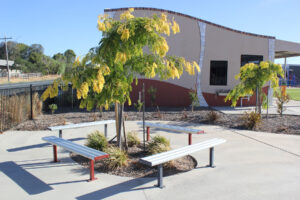
Choosing bench seats for a school, sporting facility, park or community space involves more than finding a style that looks right. The seating needs to suit the people using it, the available space, the surface underneath and whether the layout needs to remain fixed or flexible. Exploring a commercial bench seating range can help you compare these different configurations before committing to a particular installation.
By starting with how the area will actually be used, you can select outdoor bench seating that supports comfort, circulation and long-term practicality.
Key Takeaways
- Bench seating should be chosen based on how the space is used and who will use it each day.
- The available space, surface type and layout needs will determine whether fixed, freestanding, inground or wall-mounted seating is best.
- Backrests, materials and finishes should match the setting, comfort needs and level of daily use.
- SeatsPlus offers flexible bench seating options for schools, councils, sporting facilities and community spaces.
Start With How the Space Will Be Used
Before comparing materials or colours, think about what happens in the space every day.
A bench beside a school playground has different requirements from seating in a sports change room or along a public walking path. The number of users, how frequently the area is occupied and how long people typically sit all influence the most suitable design.
In schools, benches may support lunch breaks, outdoor learning, sports activities and student gathering areas. Sporting facilities may need seating for players, spectators or people waiting near clubrooms. Council and community spaces may require convenient rest points along paths, near playgrounds or within recreation reserves.
Starting with the purpose prevents a common mistake: choosing a bench first and trying to make it work in a location it was not well suited to.
Measure the Space Before Choosing Bench Seats
The amount of space available should guide both bench length and placement.
Measure the proposed seating area and look beyond the dimensions of the bench itself. People need room to approach, sit down, stand up and move around the furniture. Nearby pathways, doors, landscaping, tables and other outdoor furniture should all be considered.
A long bench may accommodate more people, but that does not automatically make it the best choice. If it narrows an important pedestrian route or dominates a small courtyard, several shorter benches may provide a more practical layout.
When planning seating, consider:
- The usable length and width of the site
- How many people are likely to need seating at peak times
- Clearance around pathways, entrances and activity areas
- Existing tables, park settings or other furniture
- Whether the area may need to accommodate different activities in the future
Taking accurate measurements early can also help determine whether a standard bench size will work or whether the site requires a more tailored solution.
Match the Bench Configuration to the Surface
One of the most important decisions is how the bench will interact with the surface underneath it.
Commercial bench seating is available in several installation styles because concrete, paving, grass and indoor surfaces do not all require the same solution.
Bolt-Down Benches for Permanent Hard-Surface Areas
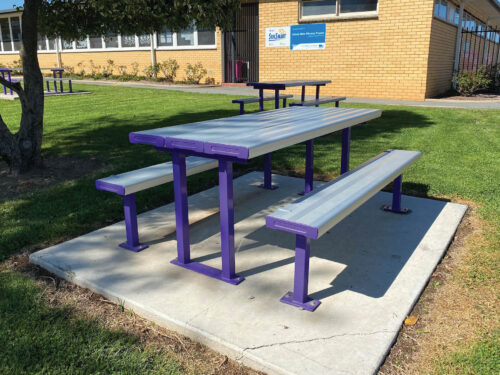
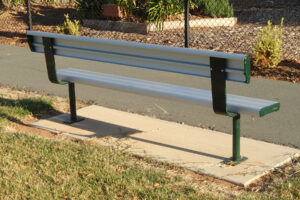
Where seating needs to remain in a defined location on a suitable hard surface, a bolt-down configuration can provide a practical permanent option.
School courtyards, sporting facilities, community spaces and public areas with concrete surfaces are common examples.
A product such as the Bolt Down Bench With Back Rest combines a fixed installation with back support, making it suited to locations where both consistent positioning and seating comfort are priorities.
Inground Seating for Landscaped Locations
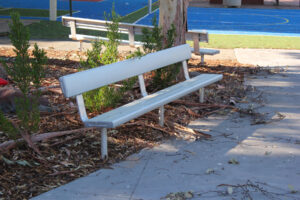
Where seating is being incorporated into grassed, landscaped or other suitable ground areas, an inground configuration may be preferable.
This style can work well when the bench is intended to remain part of the site’s permanent layout and surface bolting is not appropriate.
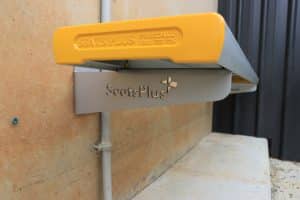
Wall-Mounted Seating Where Floor Space Is Limited
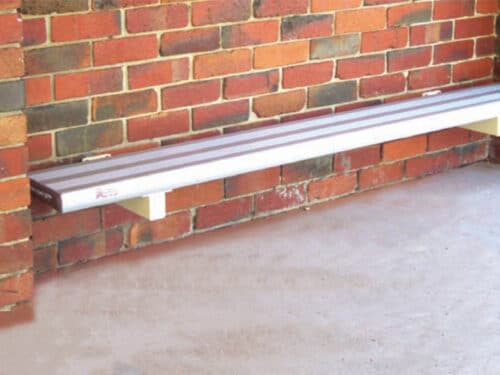
Some spaces benefit from keeping the ground underneath the seating clear. Wall-mounted benches can be useful in change rooms, gyms and similar facilities where suitable wall support is available and floor-mounted seating would interfere with the layout.
The surface should therefore be considered early rather than after a bench has already been selected.
Decide Whether Your Bench Needs to Move
Not every outdoor space should be permanently configured.
Schools, clubs and community facilities often use the same area for several purposes throughout the week. In these environments, movable seating can provide significantly more flexibility than permanently fixed furniture.
The Freestanding Bench With Back Rest is designed for locations where changing the seating position is necessary. This type of configuration can suit outdoor learning areas, courtyards and multi-purpose spaces where layouts may change for different activities.
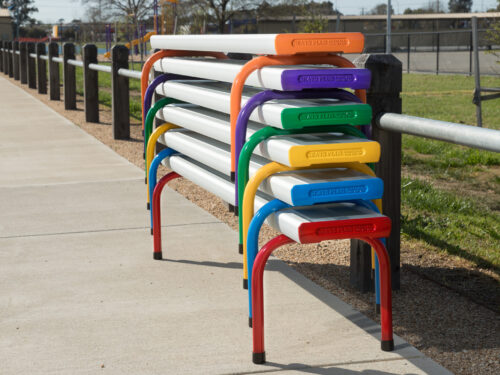
Stackable benches offer another option when the priority is being able to clear the area altogether.
By contrast, if seating should always remain in the same position, a bolt-down or inground installation may be the better fit. The decision comes down to whether flexibility or permanent positioning is more valuable for the site.
Think About How Long People Will Be Sitting
Backrests can make a meaningful difference to how a bench functions.
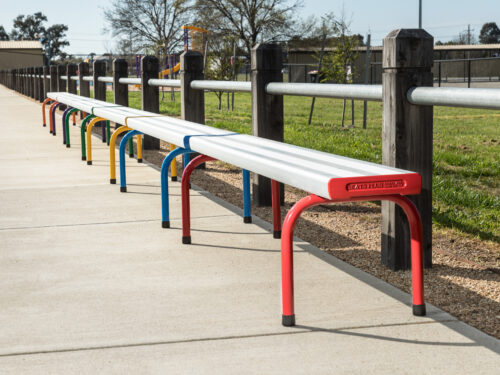
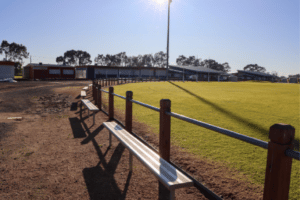
A simple backless bench may be ideal where people sit briefly, where access from either side is useful or where space needs to remain visually open. Examples include sports sidelines, school activity areas and change rooms.
For longer sitting periods, a bench with a backrest may provide a more comfortable experience. This can be useful in park rest areas, waiting zones, staff break spaces or places where spectators spend more time seated.
Neither configuration is automatically better. The most appropriate choice depends on the way the seating will be used.
This is why commercial buyers should think about user behaviour rather than treating comfort as a product feature that is the same for every environment.
Consider Aluminium for Busy Outdoor Areas
Material selection becomes particularly important in schools, sporting facilities and public spaces, where furniture may experience frequent use and ongoing exposure to outdoor conditions.
Commercial aluminium outdoor seating is commonly used across these environments because it provides a practical combination of strength and manageable maintenance.
Aluminium seating can also work well where furniture needs to be repositioned, depending on the product design and dimensions. Powder-coated finishes provide further opportunities to coordinate furniture with the surrounding environment.
When comparing materials, it is worth understanding the broader benefits of aluminium seating rather than making the decision purely on appearance.
The best material should support how heavily the seating is used, where it will be positioned and how the facility manages ongoing maintenance.
Choose School Bench Seating Around Daily Activities
Schools often require several seating configurations across one campus.
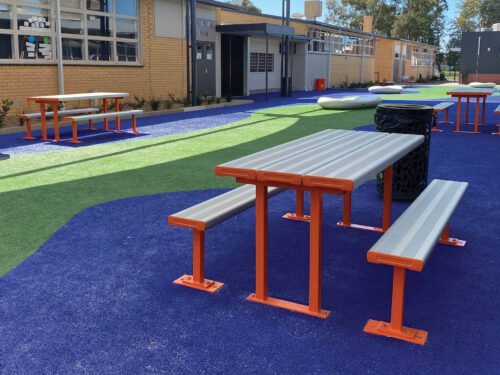
A courtyard might need fixed benches for everyday lunch seating, while an outdoor learning area may work better with movable furniture. Sports areas can benefit from straightforward player or student seating, while junior spaces may require dimensions suited to younger users.
Flexibility is particularly important where outdoor areas are used for different purposes throughout the day. A space used for morning activities might become a lunch area before being rearranged again for after-school programs.
Colour can also play a useful role in school environments. Powder-coated seating can complement house colours, existing playground equipment or different zones across the campus.
The key is to avoid assuming that one bench type should be repeated everywhere. Each area should be assessed according to its users and purpose.
Select Bench Seating for Sporting Facilities
Sporting clubs often need seating across several very different areas within the same facility.
Players may need practical sideline benches. Spectators may prefer seating with additional support. Change rooms often require compact seating that keeps circulation areas clear, while canteen and clubroom environments may have entirely different layout requirements.
A useful starting point is to separate the site into functional zones:
- Playing and sideline areas where benches support players and officials
- Spectator and waiting areas where comfort may be more important
- Change rooms and clubrooms where efficient use of space is essential
- Multi-purpose areas where seating may need to be moved or stored
This approach helps prevent the entire facility being furnished with one seating configuration simply for consistency.
Plan Public and Council Seating Around the Location
Public-space bench seating should respond to the purpose of each location.
A bench beside a walking path might serve primarily as a rest point. Seating near a playground may need to provide clear views of the activity area. A recreation reserve might require benches around sporting or gathering zones, while community facilities may need seating positioned around entrances or shared spaces.
Pedestrian movement deserves particular attention. Bench placement should support the way people naturally move through the site rather than creating unnecessary obstacles or congestion.
Expected user numbers also matter. A busy public facility may require several seating locations distributed through the site rather than concentrating all benches in one area.
Thinking about the wider environment produces a better result than choosing seats in isolation.
Coordinate Bench Seating With Existing Furniture
Function should come first, but visual consistency still matters.
If a site already has park settings, shelters, bins or other seating, consider how new benches will sit alongside them. Frame finishes, colours, proportions and placement can help create a more coordinated outdoor area.
Schools and sporting clubs may want colours that reflect their identity, while councils may favour finishes that complement established public infrastructure and landscaping.
Consistency does not mean every item needs to be identical. Instead, aim for furniture that feels deliberately selected as part of the same environment.
Think About Ongoing Use and Maintenance
Bench selection should consider what happens after installation.
Outdoor furniture may be exposed to weather, frequent contact and changing site conditions. Movable furniture may also be repositioned repeatedly. Over time, surfaces underneath seating can change and busy areas can develop different circulation patterns.
Routine inspections can identify obvious damage, loose components or changes that affect how the bench sits within the site.
Cleaning and maintenance requirements should also suit the resources available to the organisation. A school, council or sporting club managing many pieces of outdoor furniture will usually benefit from products that can be maintained as part of a straightforward facility-management routine.
Thinking about the full service life of the furniture can result in a more practical choice than focusing only on the initial installation.
Use a Simple Bench Seat Selection Process
Before making a final decision, work through the key requirements in order:
- Identify who will use the bench and what they will use it for.
- Measure the available area and required clearances.
- Assess the surface where the seating will be installed.
- Decide whether the bench needs to remain fixed or move.
- Consider how long users are likely to stay seated.
- Determine whether a backrest is appropriate.
- Choose a material and finish suited to the environment.
- Check how the new seating will work with existing furniture.
- Consider cleaning, inspection and long-term maintenance.
- Select the configuration that best matches those requirements.
Working through these questions makes it easier to compare products based on function rather than simply selecting the first style that suits the available space.
Conclusion
The best bench seat is not necessarily the longest, most permanent or most feature-rich option. It is the one that fits how people actually use the site.
Start with the users and the purpose of the area. Measure the available space, assess the installation surface and decide whether flexibility or permanent positioning matters most. Then consider comfort, materials, dimensions and how the seating will fit alongside the rest of the site.
SeatsPlus offers a commercial bench seating range covering bolt-down, inground, freestanding, stackable and wall-mounted configurations for schools, councils, sporting organisations and community facilities. Choosing around the needs of the space helps create an outdoor seating solution that remains functional, comfortable and appropriate for everyday use.