All Weather Shade Structures: Why Our Shade Range Isn’t Just for the Sun
Choosing the right outdoor shade shelters can make a major difference to how schools, parks, sporting facilities, and community spaces are used throughout the year. While shade structures are often associated with sun protection, a well-designed shelter should do more than block harsh UV rays. It should help protect people, seating, and outdoor areas from changing weather conditions, including rain, wind, and heat.
For schools, councils, and public space planners, all-weather shade structures are not just a comfort feature. They are a practical investment in safer, more usable, and more reliable outdoor spaces.
Key Takeaways
- All-weather shade shelters protect outdoor spaces from sun, rain, wind, and heat so they can be used throughout the year.
- Schools, councils and community spaces benefit from shelters because they create safer and more comfortable areas for gathering, eating, and learning.
- Strong materials like aluminium and powder-coated finishes help shelters withstand Australian weather with less maintenance.
- Choosing the right shelter improves seating areas, supports better space planning, and adds long-term value to public outdoor environments.
What Are All-Weather Shade Structures?
All-weather shade structures are covered outdoor shelters designed to provide protection from more than sunlight alone. They are commonly used in schools, public parks, recreation areas, community venues, sports grounds, and commercial outdoor spaces where people need a reliable place to sit, wait, eat, gather, or watch events.
Unlike basic shade-only solutions, all-weather shelters are built with stronger performance in mind. They can support UV protection, rain coverage, wind resistance, and long-term durability in exposed outdoor environments.
In practical terms, these structures help turn open areas into usable spaces. A school courtyard can become a more comfortable lunch zone. A park setting can become a reliable meeting point. A sports ground can offer sheltered seating for spectators. A community facility can provide covered outdoor space for families, visitors, and groups.
SeatsPlus’ range of shelters is designed for Australian outdoor conditions, with products suited to schools, councils, community groups, and public spaces. Their shelter category includes sheltered park settings built to withstand the harsh Australian climate while maintaining a clean, practical appearance for years.
Why Shade Structures Need to Do More Than Block UV
Sun protection is one of the most important reasons to install a shade structure, especially in Australian outdoor environments. Harsh UV exposure can make playgrounds, school lunch areas, and public seating uncomfortable or unsafe during warmer months.
However, UV protection is only part of the picture. Outdoor areas are affected by rain, wind, heat, glare, and sudden weather changes. If a seating area is only comfortable on mild days, it will not deliver full value for the school, council, or venue that invested in it.
A roofed shelter can help outdoor areas remain usable in more conditions. When rain passes through during a school break, students can still gather under cover. When families visit a park after wet weather, a sheltered seating area can provide a more practical place to sit. When spectators are watching community sport, a covered area can make the experience more comfortable.
This is where all-weather shade structures become more valuable than seasonal shade alone. They help outdoor spaces work harder across the year, not just during summer.
How All-Weather Shelters Support School Grounds
Schools rely on outdoor spaces every day. Students use courtyards, playgrounds, lunch areas, sports zones, waiting areas, and outdoor learning environments in different ways throughout the week. Without suitable cover, these spaces can become uncomfortable or underused during hot, wet, or windy conditions.
All-weather school shade structures help create safer and more practical outdoor zones. They encourage students to gather in defined areas, which can support supervision and improve campus flow. Instead of students spreading into less suitable spaces during breaks, covered seating can create clear, visible, and purposeful gathering points.
Shelters can also support outdoor learning. Many schools are looking for ways to make better use of external spaces for classes, group work, reading, wellbeing programs, or informal learning. A sheltered area gives teachers and students more flexibility by reducing the impact of changing weather.
For schools planning larger campus upgrades, combining shelters with durable seating can help create complete all season seating areas that are practical, low maintenance, and suitable for daily student use.
Benefits for Councils, Parks and Community Spaces
Public outdoor spaces need to serve many different people. A park shelter might be used by families having lunch, older visitors taking a rest, community groups gathering for events, or spectators watching weekend sports. Because of this, councils and public space planners need outdoor infrastructure that is durable, accessible, and comfortable.
All-weather shelters can improve the usability of public areas by creating defined spaces for rest, recreation, eating, and gathering. They also help make outdoor spaces more welcoming, especially in areas with limited natural shade or minimal protection from the elements.
For councils and community groups, the benefits often include:
- Better comfort for park users, visitors, spectators, and families
- More usable seating areas across different weather conditions
- Stronger long-term value from existing outdoor furniture and public space upgrades
Shelters can also support public safety and site organisation. When seating and cover are placed thoughtfully, they can guide how people move through a space and encourage people to use areas as intended.
Why Weather-Resistant Materials Matter
Outdoor shelters are constantly exposed to the elements. Sun, rain, wind, dust, moisture, and heavy public use can all affect how a structure performs over time. This is why material quality should be a key consideration for any school, council, or commercial site.
A shelter that looks suitable at first glance may not be the right option if it cannot handle ongoing exposure. In high-use outdoor settings, the structure needs to offer reliable strength, low maintenance, and long-term performance.
Weather-resistant materials help protect both the shelter and the seating beneath it. They reduce the need for frequent repairs, repainting, and replacement. This is especially important for schools and councils that need practical assets that can remain in place for years with minimal disruption.
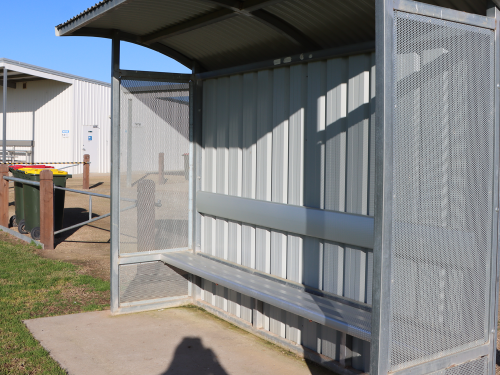
SeatsPlus provides aluminium outdoor shelters and sheltered seating products designed for outdoor environments. Aluminium, powder-coated finishes, and durable shelter designs can help outdoor furniture remain practical and presentable through changing conditions.
The Role of Roofing, Framing and Structural Strength
A good shade structure is more than a roof. Its performance depends on the quality of the whole structure, including the roofing material, frame, fixings, shelter shape, installation method, and site suitability.
Roofing needs to provide reliable cover from the sun and rain. Framing needs to support stability and durability, particularly in open areas where wind and weather exposure may be stronger. The overall design should suit the intended location, whether that is a school courtyard, public park, sports ground, or community facility.
Structural strength is especially important in high-use environments. Schools and public spaces need shelters that can handle daily use, not just occasional activity. A robust shelter can help reduce maintenance concerns and provide greater confidence for long-term planning.
When assessing shade structures, buyers should look beyond appearance and consider how the product will perform in real conditions. A shelter should support comfort, safety, and usability while fitting the needs of the site.
How Shelters Improve Outdoor Seating Areas
Shelters are most effective when they are planned around how people actually use outdoor seating. A bench, park setting, or spectator area becomes more valuable when people can use it comfortably in a wider range of conditions.
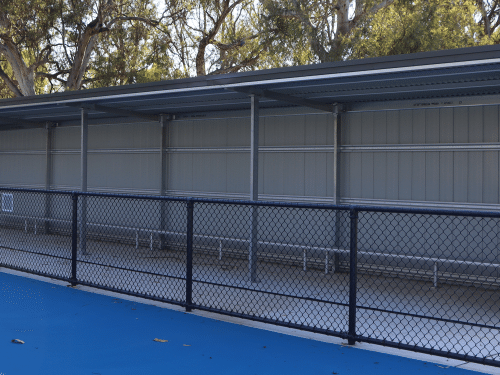
For schools, sheltered seating can support lunch areas, playground edges, outdoor classrooms, covered waiting zones, and sports facilities. For councils, it can improve parks, reserves, playgrounds, walking trails, and community gathering spaces. For sports clubs, it can help players, coaches, and spectators stay more comfortable during training and game days.
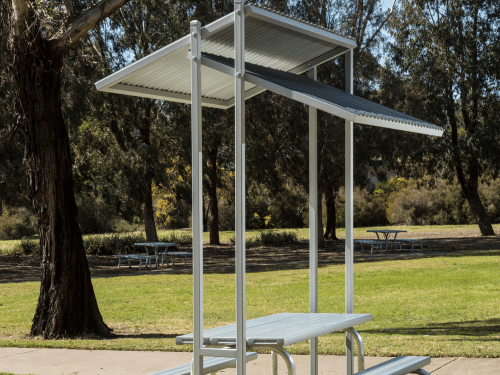
A covered park setting is a good example of how seating and shelter can work together. Instead of treating cover and furniture as separate features, a sheltered park setting combines seating and protection in one practical outdoor solution.
This type of setup can help define a space more clearly. It gives people a natural place to stop, sit, eat, wait, or gather, while also improving comfort and protection from the weather.
Key Features to Look for in an Outdoor Shelter
The right shelter will depend on the site, but there are several important features schools, councils, and project planners should consider before choosing a solution.
Look for outdoor shelters with:
- UV, rain, and wind protection suited to the location
- Durable roofing, robust framing, and low-maintenance materials
- Practical seating capacity, drainage considerations, and site-appropriate sizing
- A design that suits schools, public parks, sports venues, or community spaces
- Colour and finish options that work with existing outdoor furniture or surroundings
It is also important to think about who will use the shelter. A school lunch area may need a different layout from a public park or sports spectator zone. A community space may need a more flexible setting, while a high-traffic school courtyard may need a stronger permanent solution.
Choosing the right size, placement, and seating configuration can help ensure the shelter works well from day one.
Where All-Weather Shade Structures Work Best
All-weather shade structures are most useful in areas where people regularly gather, sit, wait, eat, learn, or watch sports. They are particularly valuable in outdoor locations that are exposed to sun, rain, or wind.
Common applications include:
- School lunch areas, outdoor learning spaces, playgrounds, and waiting areas
- Public parks, recreation areas, walking paths, and picnic zones
- Sports fields, spectator areas, club facilities, and community venues
- Commercial outdoor spaces, rest areas, and shared public seating zones
For sites where comfort and appearance both matter, a curved shelter setting can offer a practical covered seating option with a more distinctive shelter profile. This can suit parks, schools, and public spaces where seating needs to be functional while also fitting into the surrounding environment.
Are All-Weather Shade Structures Worth the Investment?
For many schools, councils, and community facilities, all-weather shade structures are worth the investment because they improve how often and how well outdoor spaces can be used.
Without cover, outdoor seating may only be comfortable in ideal conditions. With a suitable shelter, the same area can become more practical across the year. This helps increase the value of existing outdoor furniture, supports better use of available space, and improves comfort for students, staff, visitors, families, and community members.
The long-term value is not only about weather protection. It is also about creating outdoor areas with a clearer purpose. A sheltered seating area can become a lunch zone, a rest point, a viewing area, a meeting place, or an outdoor learning space.
For high-use environments, the right shelter can reduce disruption, improve comfort, and support safer outdoor planning. When designed with durable materials and practical site placement, an all-weather shelter becomes part of the long-term infrastructure of the space.
Create a Safer, More Usable Outdoor Space with SeatsPlus
The best outdoor shade shelters do more than protect people from the sun. They help schools, councils, sporting clubs, and community spaces create outdoor areas that are safer, more comfortable, and more usable in changing Australian conditions.
Whether you need a sheltered seating area for a school lunch zone, a covered park setting for a public reserve, or a practical shelter solution for a sports facility, SeatsPlus can help you choose an option that suits your space and users.
With durable materials, practical designs, and outdoor furniture built for Australian conditions, SeatsPlus provides shelter and seating solutions that support year-round use. Explore the shelter range or request a quote to create a covered outdoor space that works in every season.