
Long-Term Maintenance Planning for Aluminium Seating Assets
Aluminium seating is designed to provide dependable performance in schools, parks, sporting facilities and other high-use outdoor spaces. While it requires less upkeep than many alternative materials, long service life still depends on planned care. Treating aluminium bench seating as a managed asset rather than furniture that can simply be installed and forgotten helps organisations protect appearance, stability and usability over time.
For councils, schools and facility managers, a practical maintenance plan makes it easier to identify minor issues early, manage budgets and plan future asset renewal.
Key Takeaways
- Aluminium seating is low maintenance but still needs planned care to protect safety, appearance and long term performance.
- A seating asset register helps councils, schools and facility managers track locations, condition, repairs and future renewal needs.
- Regular inspections should check stability, fixings, surface condition and safety issues before small defects become costly problems.
- Cleaning schedules should match the environment since coastal areas, school grounds and poolside locations all create different maintenance demands.
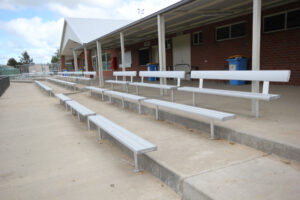
Why Aluminium Seating Still Needs a Maintenance Plan
One of the key aluminium outdoor seating benefits is its relatively low maintenance requirement. Aluminium is well suited to outdoor applications because it offers durability, weather resistance and strong performance without the upkeep associated with some other materials.
Low maintenance, however, does not mean maintenance-free.
Outdoor seating remains exposed to rain, UV exposure, dirt, food residue, salt, pollution and repeated public use. Seating at schools and sporting facilities can also experience impact damage, heavy daily use or occasional vandalism.
A preventive maintenance plan provides a structured way to monitor these factors before they affect the asset’s performance.
Maintenance Protects More Than Appearance
Maintenance should not focus only on whether the seating looks clean. Facilities teams also need to consider whether the structure remains stable, components are secure and the seating continues to perform as intended.
A useful inspection considers:
- Surface condition and cleanliness
- Seating stability and structural movement
- Fixings, bolts, anchors and connections
- Damage that could create sharp edges or other user hazards
- Accessibility and the condition of surrounding surfaces
Separating cosmetic issues from functional defects also helps maintenance teams prioritise work appropriately.
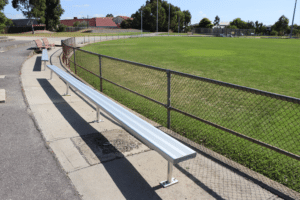
Start With an Accurate Seating Asset Register
Long-term maintenance becomes more manageable when organisations know what seating they have, where it is installed and its current condition.
Each seating asset should ideally have a basic record containing its location, product type, installation date, installation method, finish, colour and available warranty information. Inspection dates, condition ratings and repair history can then be added over time.
This does not need to become an overly complex asset management system. Even a consistent register maintained across a school, sporting facility or council portfolio can make inspections and renewal planning more efficient.
Why Location Data Matters
Location directly influences maintenance requirements.
A bench installed in a sheltered school courtyard may experience very different environmental exposure from the same product installed beside a coastal reserve. Seating near swimming facilities may encounter moisture or chemical residues, while furniture under trees may accumulate organic material more quickly.
Recording the location allows maintenance teams to adjust inspection and cleaning intervals according to actual conditions.
Keep Maintenance History With the Asset
A maintenance history provides valuable context. If the same fixing repeatedly loosens or one seating location requires more frequent cleaning, that pattern can inform future decisions.
Historical information can also help teams determine whether an issue is isolated, related to the installation environment or becoming part of a wider deterioration trend.
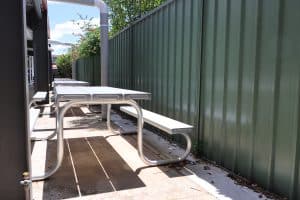
Set Maintenance Frequency Around Environmental Exposure
Using the same maintenance schedule for every aluminium seating asset may not be practical. Frequency should reflect environmental exposure, usage and installation conditions.
Standard Outdoor Environments
School grounds, suburban parks and general sporting facilities may experience normal rainfall, dust, UV exposure and everyday contamination. In these environments, scheduled visual inspections combined with routine cleaning may provide an appropriate starting point.
Intervals should still be adjusted if furniture receives particularly heavy use or is located beneath vegetation, beside food areas or in places where dirt builds up quickly.
Coastal and Marine Environments
Coastal environments can expose seating and associated hardware to airborne salt. Aluminium itself is highly suitable for outdoor environments, but surface contamination and metal fixings should still be monitored.
More frequent cleaning can help remove accumulated salt and grime. Inspections should also pay attention to fasteners, anchors and any areas where debris collects.
Poolside and High-Moisture Locations
Swimming centres and other high-moisture environments can introduce additional exposure to water and chemical residues.
Maintenance teams should consider not only the aluminium seating surface but also hardware, fixing points and surrounding substrates. Cleaning schedules may need to increase where splash, moisture or contaminants regularly reach the furniture.
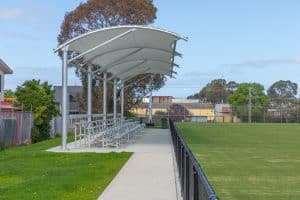
Build Routine Inspections Into the Maintenance Cycle
Regular visual inspections are one of the simplest ways to protect outdoor seating assets. The objective is to identify changes before they develop into larger maintenance or safety concerns.
Check Seating Stability and Structural Condition
Inspectors should look for unexpected movement, distortion, impact damage or changes to seat and backrest components. A seat that has begun to move when used deserves more attention than minor cosmetic wear.
Visible deformation should also be investigated rather than simply recorded for the next scheduled maintenance period.
Inspect Fixings and Connections
Bolts, screws, brackets and anchors can be affected by frequent use, accidental impact or movement in surrounding surfaces.
Checking these components regularly allows loose or missing hardware to be addressed early. Products such as the Bolt Down Bench also demonstrate why the relationship between the seating frame, fixing points and mounting surface should form part of routine inspection.
Look for User Safety Issues
Maintenance teams should assess whether damage has created sharp edges, unstable seating, protruding hardware or other issues that could affect users.
Where a significant defect is identified, the asset may need to be temporarily removed from service or assessed before normal use continues.
Adjust Inspections to the Installation Type
How aluminium seating is installed changes what maintenance teams need to inspect.
Bolt-Down Seating
For bolt-down seating, examine the base, anchor points and mounting surface. Movement can result from loose fixings or deterioration around the substrate rather than damage to the seating itself.
Concrete cracking or movement near mounting points should therefore be considered alongside the condition of the bench.
Inground Seating
Inground installations require attention where supports enter the ground. Changes to soil, asphalt, paving or surrounding surfaces can affect alignment and stability.
Inspectors should look for movement, uneven ground and signs that the seating is no longer positioned as intended.
Freestanding Seating
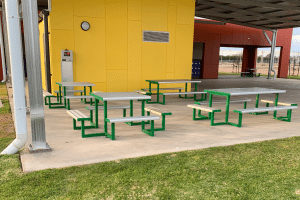
Freestanding furniture may be moved during cleaning, events or general site use. Over time, repeated relocation can expose the frame to knocks or leave furniture sitting on uneven surfaces.
Checking placement and stability should therefore form part of regular maintenance.
Create a Practical Cleaning Schedule
Cleaning is important for appearance, but it also prevents contaminants from being left on surfaces for extended periods.
For routine care, organisations should follow suitable aluminium seating cleaning tips and use methods that avoid unnecessary surface damage.
Loose dirt should generally be removed before the seating is cleaned carefully with appropriate mild products and soft cleaning materials. Harsh chemicals, abrasive tools, and overly aggressive cleaning can damage finishes rather than protect them.
Clean More Often in High-Exposure Areas
Cleaning frequency should increase when environmental or usage conditions justify it. Coastal sites may accumulate salt, school lunch areas can attract food residue, and shaded locations may collect leaves, bird droppings or organic matter.
The goal is not to clean every asset according to an identical calendar. It is to prevent contamination from becoming an ongoing maintenance issue.
Maintain Powder-Coated and Anodised Finishes Differently
Aluminium seating may use different finishes, and maintenance should recognise those differences.
Powder-Coated Aluminium
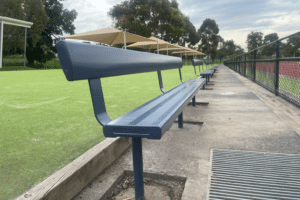
Powder-coated components should be inspected for scratches, chips, abrasion and other visible coating damage. Dirt or pollutants should also be removed before they become heavily embedded on the surface.
Minor cosmetic marks do not necessarily affect functionality, but recurring surface damage can help identify locations experiencing unusually high wear.
Anodised Aluminium
Anodised aluminium is valued for its low-maintenance qualities, but routine cleaning remains worthwhile. Removing accumulated dirt helps retain the appearance of the surface and gives maintenance staff an opportunity to notice other defects during cleaning.
Neither finish should be considered a reason to eliminate inspections.
Account for Heavy Use, Vandalism and Seasonal Demand
The physical environment is only one part of maintenance planning. Usage can have an equally important effect.
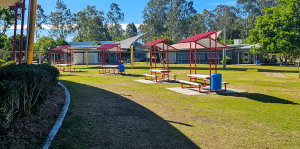
A quiet reserve bench may experience relatively limited daily use, while seating within a school playground can serve hundreds of students. Sporting facilities may also experience sharp increases in use during competitions, finals or community events.
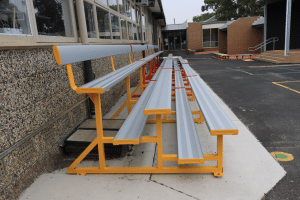
Larger assets such as a Three Tier Grandstand should be incorporated into the same planned asset approach, with maintenance appropriate to their scale, usage and installation.
Inspect After Events or Unusual Activity
Additional inspections can be useful following major events, reported vandalism, accidental impact or unusually heavy site use.
Waiting until the next routine inspection may allow an obvious problem to remain unresolved longer than necessary.
Use Condition Ratings to Prioritise Maintenance
A basic condition rating gives asset managers a consistent way to compare seating across multiple sites.
An organisation might classify assets as good, showing minor deterioration, requiring moderate maintenance or displaying major defects. The exact terminology matters less than applying the system consistently.
Separate Cosmetic and Functional Issues
Surface fading or small scratches may affect presentation without making seating unsafe. Loose anchors, significant movement, or damaged structural components have a more direct impact on function.
Recording these separately makes maintenance prioritisation more meaningful.
Use Ratings to Set Maintenance Priorities
Condition information should guide whether the next action is cleaning, a minor repair, further assessment, or renewal planning.
Over time, condition ratings can also reveal which locations or installation types experience faster deterioration.
Plan Minor Repairs Before They Become Major Problems
Preventive maintenance is most valuable when it results in action.
Loose hardware, missing components and minor damage can often be dealt with before they become more disruptive. Allowing small defects to remain may place additional stress on surrounding parts or reduce the usefulness of the asset.
Know When to Escalate the Issue
Not every issue should be repaired by general maintenance staff. Significant structural distortion, repeated movement or unexplained failure may require assessment by the supplier or another suitably qualified professional.
Knowing when to escalate also helps avoid temporary repairs that do not address the underlying cause.
Include Seating in Long-Term Asset Renewal Planning
Even durable public furniture should eventually form part of capital renewal planning.
Maintenance records and condition inspections provide the information required to identify when a seating asset is approaching the stage where replacement should be considered.
Monitor Remaining Useful Life
Remaining useful life should be considered in context. Age alone is not enough.
An older bench in a sheltered area may remain highly serviceable, while a heavily used asset exposed to challenging conditions may require earlier intervention. Condition, environment, maintenance history and functional requirements all contribute to the decision.
Compare Maintenance With Replacement
When the same asset requires repeated repairs, facility managers should consider whether continued maintenance still represents the best long-term outcome.
Early identification allows replacement expenditure to be planned rather than treated as an unexpected cost.
Consider Whole-of-Life Cost, Not Just Purchase Price
Effective procurement looks beyond the initial purchase.
The overall value of outdoor furniture also depends on maintenance requirements, durability, repair frequency and eventual service life. Seating that requires fewer interventions may reduce disruption for grounds teams and help provide more predictable long-term expenditure.
Historical asset information can also improve future procurement. If particular materials, finishes or installation methods consistently perform well within a specific environment, that experience should inform replacement projects.
Create a Simple Annual Maintenance Cycle
For organisations managing multiple seating assets, a repeatable annual process can help ensure maintenance tasks are not overlooked:
- Update the seating asset register and confirm locations.
- Review changes in environmental exposure or usage.
- Complete scheduled condition and safety inspections.
- Carry out routine cleaning appropriate to each site.
- Address loose hardware and minor maintenance issues.
- Record new damage and completed repairs.
- Update condition ratings and maintenance priorities.
- Identify assets requiring further assessment.
- Add ageing assets to future renewal planning.
- Review maintenance and replacement budgets.
The cycle can then be adjusted for sites that require more frequent attention.
Conclusion
Aluminium seating is well suited to schools, councils, parks and sporting facilities because it combines durability with relatively straightforward ongoing care. Protecting that value does not require complicated maintenance programs. What matters is having accurate asset records, appropriate cleaning schedules, regular inspections and clear processes for responding to damage.
Thinking about maintenance from the beginning also supports better procurement. Product type, finish, installation method, environmental exposure and anticipated usage can all influence how an asset performs over time.
For organisations planning new installations or replacing ageing outdoor furniture, SeatsPlus offers commercial aluminium bench seating designed for high-use Australian environments. Selecting seating with long-term inspection, maintenance and renewal requirements in mind can help facilities teams protect performance and make more informed asset decisions throughout the seating lifecycle.