
Fixed vs Freestanding Seating for Schools: Key Pros and Cons
Choosing the right school bench seating is an important decision for any school planning outdoor upgrades. Seating affects how students gather, move, eat, learn, rest, and interact throughout the day. It also plays a role in supervision, safety, maintenance, and long-term value.
For schools comparing fixed and freestanding seating, there is no single right answer. Each option has clear advantages depending on where it will be used, how often the space changes, and whether the area needs a permanent or flexible layout.
This guide compares fixed and freestanding seating for schools, including the key pros, cons, and practical considerations to help principals, business managers, facilities teams, and project planners make the right choice.
Key Takeaways
- Fixed school seating is best for permanent high traffic areas where stability, safety, and security matter.
- Freestanding seating is ideal for flexible school spaces that need to change for learning, events, or student activities.
- The right seating choice depends on how the area is used, how often layouts change and how much supervision is needed.
- Many schools benefit from using both fixed and freestanding seating to balance long term structure with everyday flexibility.
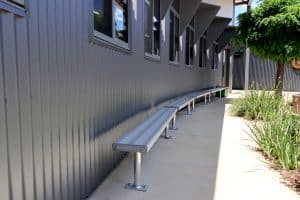
Why Outdoor Seating Matters in School Grounds
School grounds work hard every day. Courtyards, lunch areas, playgrounds, sports zones, covered areas, and outdoor learning spaces all need to support a wide range of student activities. Well-planned seating helps make these areas more usable, organised, and comfortable.
The right seating can improve student flow through busy areas, create defined spaces for eating or socialising, and support outdoor learning. It can also make supervision easier by keeping students in visible, practical locations rather than allowing groups to gather in unsuitable areas.
For schools, durability is just as important as layout. Outdoor seating needs to withstand heavy daily use, changing weather, and the practical realities of a school environment. That is why commercial-grade aluminium seating, fixed benches, freestanding benches, and park settings are often preferred over lightweight domestic-style furniture.
Schools also need to think beyond the initial purchase. A good seating choice should support long-term maintenance, safety, accessibility, and value for money.
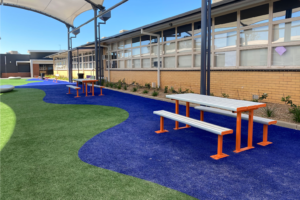
What Is Fixed School Seating?
Fixed school seating is installed in a permanent position. It is usually anchored to concrete, paving, or a prepared ground surface. Common examples include bolt down benches, inground benches, wall mounted benches, fixed park settings, and permanent spectator seating.
This type of seating is often used in areas where schools want a stable, secure, and long-term solution. A fixed bench is not designed to be moved around regularly. Instead, it becomes part of the school’s outdoor infrastructure.
Fixed seating is especially useful when a school has a clear plan for how a space will be used. For example, a permanent lunch area, courtyard, sports viewing zone, or covered outdoor area may benefit from seating that stays exactly where it is needed.
A good example is fixed bench seating, which can provide a secure and practical option for school areas where long-term placement is preferred.
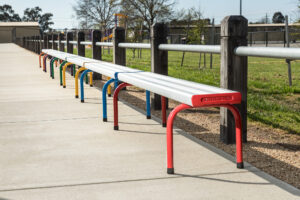
What Is Freestanding School Seating?
Freestanding school seating is not permanently fixed to the ground. It can be positioned, relocated, or rearranged depending on how the school wants to use the space. Examples include freestanding benches, movable park settings, and stackable bench options.
This style of seating is useful for schools that need flexibility. A courtyard might be used for lunch during the day, a school event in the afternoon, and an outdoor lesson the next morning. In these cases, seating that can move with the needs of the space may be more practical.
Freestanding seating is also useful when a school is testing a new layout before committing to permanent installation. It gives facilities teams more control and allows the school to adapt outdoor areas as enrolments, programs, and usage patterns change.
SeatsPlus offers a range of freestanding seating options designed for adaptable outdoor spaces where flexibility matters.
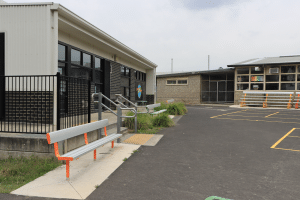
Pros of Fixed Seating for Schools
Fixed seating is a strong choice for schools that need stability, structure, and long-term durability. Once installed, it creates a clear and permanent seating zone.
One of the biggest advantages is safety through stability. Fixed benches stay in place, which helps reduce the risk of students moving seating into unsafe or unsuitable areas. This can be especially important around walkways, canteens, playgrounds, sports fields, and high-traffic zones.
Fixed seating can also reduce the risk of theft or misuse. Because it is anchored, it is harder to move, remove, or reposition without approval. This is useful in areas that may be exposed to after-hours community access or shared use.
Another benefit is long-term space planning. When seating is fixed, schools can design outdoor areas with more certainty. Staff know where students are likely to gather, maintenance teams know where assets are located, and students become familiar with designated lunch, rest, or waiting areas.
Fixed seating is usually best suited to:
-
Permanent lunch areas, courtyards, and playground zones
-
Sports fields, spectator areas, and assembly spaces
-
High-traffic locations where seating should remain secure
For schools looking at long-term outdoor infrastructure, fixed seating can provide excellent value because it supports stability, safety, and low day-to-day management.
Cons of Fixed Seating for Schools
The main limitation of fixed seating is reduced flexibility. Once a bench or setting is installed, it is not easy to move. That means schools need to plan the location carefully before installation.
If the layout of a courtyard, lunch area, or playground changes in the future, fixed seating may no longer suit the space as well as it once did. This can be an issue for schools with growing enrolments, changing outdoor programs, or areas that need to serve multiple purposes.
Fixed seating may also require more preparation upfront. Depending on the product and location, installation may involve anchoring, concrete, paving, or ground preparation. This is not necessarily a disadvantage, but it does need to be considered during budgeting and project planning.
Another consideration is that fixed seating can limit open space. In areas used for events, assemblies, outdoor activities, or temporary setups, permanent seating may reduce the ability to reconfigure the area.
For this reason, fixed seating works best when the school is confident that the chosen location will remain suitable for years to come.
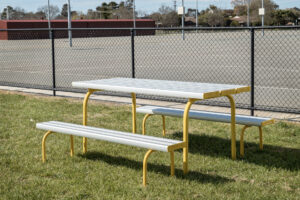
Pros of Freestanding Seating for Schools
Freestanding seating is ideal for schools that need outdoor areas to stay adaptable. Because it is not permanently anchored, it can be repositioned to suit different activities, seasons, or student needs.
This makes it practical for outdoor learning spaces, sports days, temporary event areas, pop-up lunch zones, shaded areas, and multipurpose courtyards. If a space needs frequent changes, freestanding seating gives schools greater control.
Another advantage is easier layout testing. Before investing in a permanent seating arrangement, schools can use freestanding benches to see how students naturally use a space. This can help identify the best locations for future fixed seating or additional outdoor furniture.
Freestanding options can also be helpful for schools with limited space. Seating can be moved aside when more open area is needed, then brought back when the space returns to regular use.
For example, freestanding bench seating can suit areas where schools need durable seating without committing to a fixed installation.
Freestanding seating is especially useful for:
-
Outdoor classrooms, school events, and sports carnival areas
-
Multipurpose courtyards or covered outdoor spaces
-
Areas where seating may need to move with shade, supervision, or activity needs
Cons of Freestanding Seating for Schools
The flexibility of freestanding seating can also create some challenges. Because the seating can be moved, schools need to consider who may move it, where it may end up, and whether that movement could affect safety or supervision.
In some environments, students may shift lighter furniture into unsuitable locations. This can create issues around walkways, doorways, garden beds, or areas where clear access needs to be maintained. Schools may need simple rules around where freestanding seating can be placed.
Freestanding seating may also be less secure in areas exposed to public access after hours. While commercial-grade freestanding furniture is designed to be durable, it may still require more active management than anchored seating.
Maintenance teams may also need to reposition, inspect, or store freestanding seating more often. This is not a major issue for every school, but it should be considered when choosing seating for larger campuses or busy outdoor areas.
In short, freestanding seating works best when schools have a clear plan for its management.
Fixed vs Freestanding School Seating: Quick Comparison
|
Factor |
Fixed Seating |
Freestanding Seating |
|
Stability |
Very stable once installed |
Depends on weight and design |
|
Flexibility |
Low flexibility |
High flexibility |
|
Security |
Strong protection against movement or removal |
May require more supervision |
|
Installation |
Usually requires anchoring or preparation |
Minimal installation required |
|
Best use |
Permanent, high-traffic areas |
Flexible, changing, or multipurpose areas |
|
Maintenance |
Lower day-to-day management |
May need repositioning or storage |
|
Long-term value |
Strong for planned outdoor layouts |
Strong for adaptable school spaces |
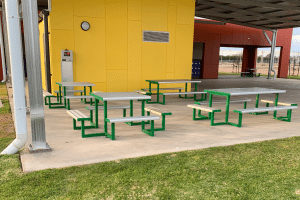
How to Choose the Right Seating for Your School
The best choice depends on how the space is used. A permanent lunch area has different requirements from an outdoor classroom. A sports viewing area has different needs from a flexible event zone.
Before choosing between fixed and freestanding seating, schools should consider the daily use of the area, the level of supervision required, the likelihood of the layout changing, and whether the seating needs to remain secure after hours.
Accessibility should also be part of the decision. Schools need outdoor seating layouts that support inclusive movement, comfortable rest points, and safe access for students, staff, and visitors.
Material choice also matters. Aluminium seating is often a practical option for school environments because it is durable, weather-resistant, and low maintenance. Timber seating may suit certain landscape settings, while park settings can work well for outdoor learning or shared eating areas.
For schools reviewing broader campus needs, exploring dedicated school seating solutions can help identify the right mix of benches, park settings, grandstands, buddy benches, and other outdoor seating options.
Should Schools Choose Fixed or Freestanding Seating?
In many cases, the best answer is not one or the other. Schools often benefit from using both fixed and freestanding seating across different parts of the campus.
Fixed seating is usually the better choice for permanent, high-use, and security-sensitive areas. This includes lunch areas, courtyards, playground edges, sports viewing spaces, and covered outdoor zones where seating should remain in place.
Freestanding seating is better for spaces that need to adapt. This includes outdoor classrooms, events, temporary seating zones, sports days, and multipurpose areas where layout flexibility is important.
A blended approach can give schools the best of both. Fixed seating can provide structure and stability in key locations, while freestanding seating can support flexibility where needs change throughout the year.
The goal is to match the seating type to the space, not simply choose based on appearance or cost. When seating is planned around how students and staff actually use the school grounds, it is more likely to deliver long-term value.
Need Durable School Bench Seating for Your Grounds?
Choosing the right school bench seating can make school outdoor areas safer, more practical, and more comfortable for everyday use. Fixed seating is ideal for permanent, high-traffic areas where stability and security matter. Freestanding seating is ideal for flexible spaces that need to adapt for learning, events, sport, and changing student needs.
SeatsPlus supplies durable, Australian-made outdoor seating for schools, playgrounds, courtyards, sports areas, and shared community spaces. Whether your school needs fixed bench seating, freestanding seating, park settings, or a tailored mix of outdoor furniture, the right solution starts with understanding how your space is used.
Explore the SeatsPlus range or request a quote to find a practical seating option that supports your school grounds now and into the future.